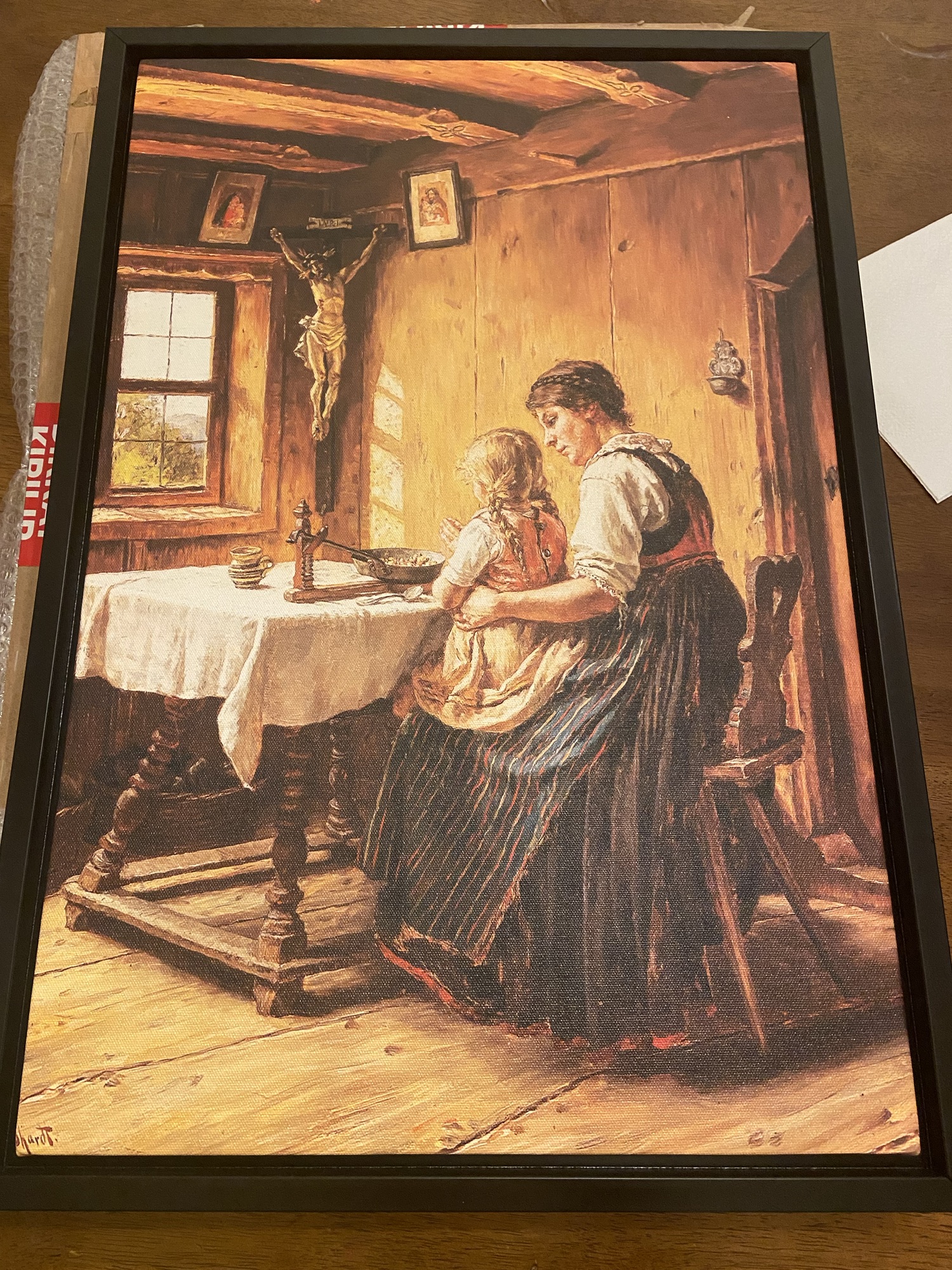
This morning, I awake to the fussing of a feverish child, pushing his knees into my rib cage. Instantly, a wave of nausea overcomes me. I am so familiar with this nausea, and yet, every time it threatens to crumple me.
I hadn’t always planned on having this many children. I wasn’t one of those kids who grew up knowing I’d become a mother. Sure, I had some baby dolls, but it was passing interest at best.
When I became a mother, this lack of vision was a block for me. I was a mom at 18 and for the first 8 years of his life, I didn’t have any mom friends. I had time to build up narratives about myself, and what I was built for, because I couldn’t “see” normal mothering around me.
My second child, I yearned for. I had gotten married and started to have a sense of my biological clock, and I was worried I would never have an opportunity to have another child. We had discussed only having one more, because two kids seemed “acceptable”. We could still travel, it wouldn’t cost too much, we still wanted to make sure we had plenty of the freedoms we had envisioned for ourselves. My, had we been trained by our culture.
After she was born and I started to converse with other moms, something started nagging at me. all conversations were laden with this dichotomy of love and sorrow. Women loved their children, but were burdened. I had felt this myself. A deep longing for “something else” out there. We were feeling as if the children had taken something from us.
At this place in my life, I was a staunch feminist. I had been raised by a single mother, and the wiles of public school education. I had chosen to get myself off of birth control, for health reasons, but I was still a believer in a woman’s right to have and fight for her illusions at all costs.
And yet, I made a distinctly “unfeminist” choice. I wanted to stay home with my daughter. I was interested in anthropology at the time, and I was captivated by this idea that women and families used to live differently. I had had the example of my grandmother and aunt as well, who had done something similar by staying home when their children were young. It seemed to affirm this yearning that I had, not to be committed to giving my time to someone who makes money off of my work, but to do something much more valuable with my time; raise and guide a life.
I was embarrassed to make this change. All the years of mocking other women, who I’d seen do this, piled up under my nose, revealing my jealousy. I had worked hard for my nursing degree, was I really just going to give this up? Why would I make myself so dependent on my husband? All I knew, was that the desire to be with my children was outweighing my embarrassment, and my husband was in support. We agreed it would be very short term, and we set off.
It was hard to adjust to being at home all the time. It took me years, and is truly a subject for another post. But, here I will share something important that I began to notice the longer I was out of the workforce.
All those years of feeling that my children were a burden and hearing other women discuss them as such; it dawned on me that this was a worldview we had been taught to have by our anti-child culture, and we were imprisoned by it. We couldn’t understand why we both didn’t want to be near our kids, and yearned to have them. We were told that a worthy life looks a very specific way, and kids are an interruption to that; at best a necessary evil.
And as I reflected on this in my own heart, I changed. I was a woman, made biologically to have, to yearn for, and to nurture children. This was a good that enriched my life, it didn’t diminish it.
Now, this wasn’t an overnight experience. I am 6 years into being at home, and there are definite sacrifices, especially as you welcome more children, that are not easy. However, this illusion that we hold; that life is meant to be comfortable, easy, everything I want, when I want, exciting, unencumbered; is distinctly anti-human. We are social beings, made to thrive in the community, and family. We thrive in an environment of relationship and obligation. It is time we return to being fully human.

 Jess and The Fiat